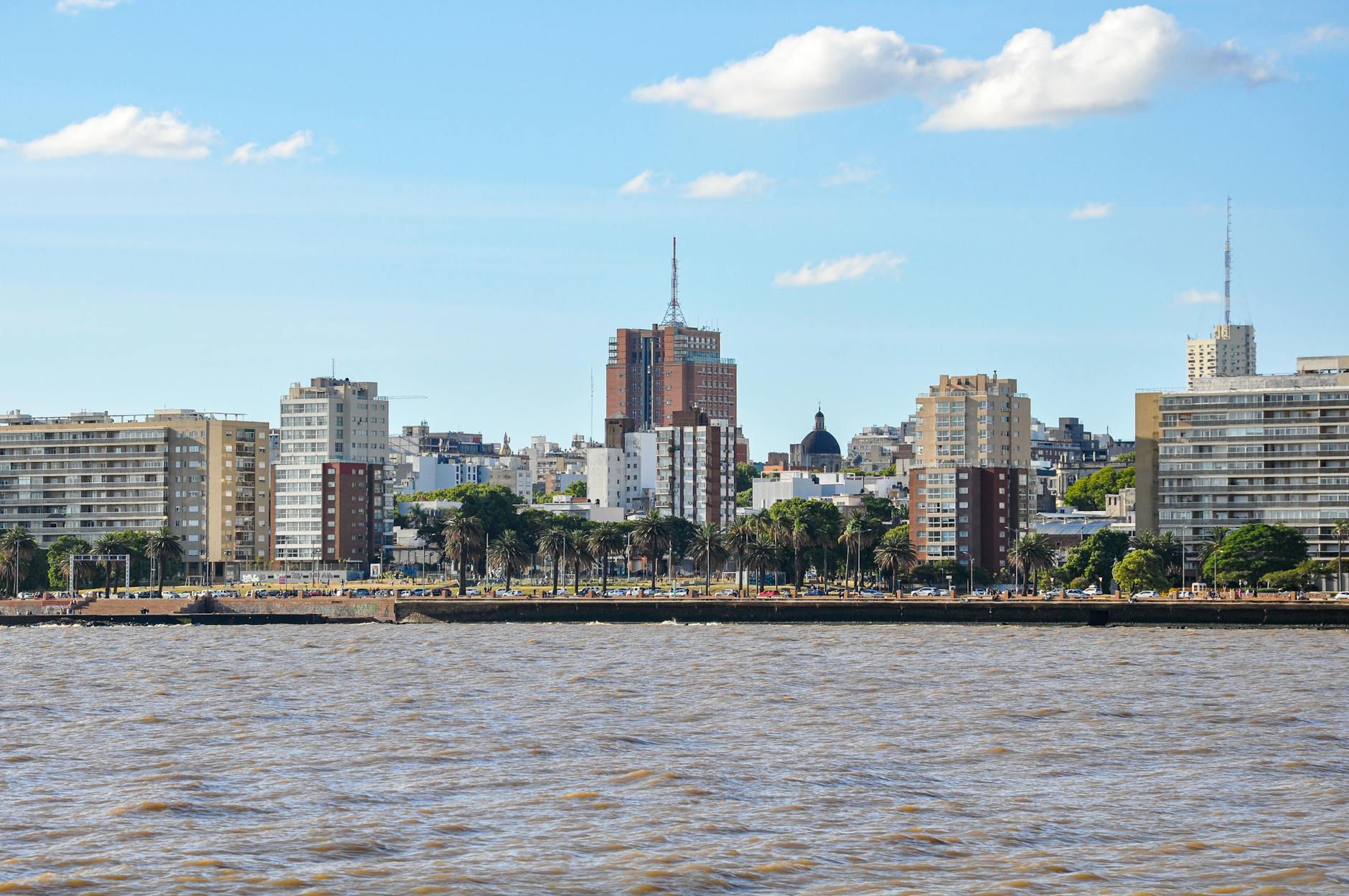
Private Equity Unternehmen Hamburg: Top Firms in 2026
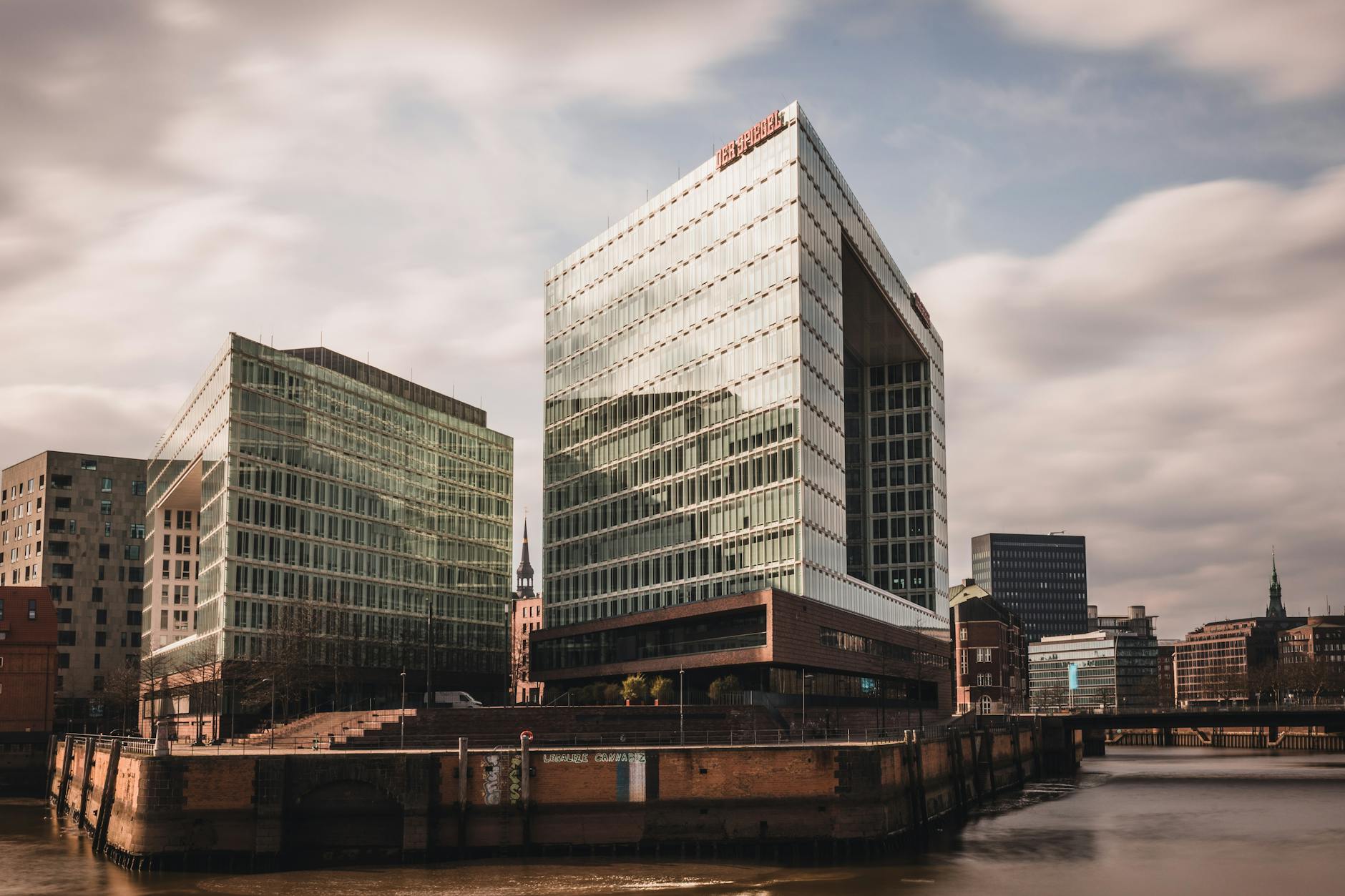
Key Facts: Hamburg's Private Equity Market
- Hamburg hosts 86 active PE and VC funds as of January 2026, making it Germany's third-largest private equity hub after Frankfurt and Munich.
- Firms based in or maintaining offices in Hamburg have collectively participated in over 4,462 investment rounds across 940+ portfolio companies, deploying more than $209 billion globally across all rounds.
- In the past five years, Hamburg-area investors completed 300 seed-stage rounds ($1.26B), 525 early-stage rounds ($18.1B), and 345 late-stage rounds ($47.4B).
- Fund sizes span an extraordinary range: from €25,000 pre-seed checks (NCA) to $72 billion in assets under management (H.I.G. Capital), reflecting a market that serves startups and large corporates alike.
- Three distinct pillars define Hamburg's PE landscape: Mittelstand buyout and succession specialists, digital infrastructure and B2B SaaS growth equity firms, and maritime-logistics venture capital.
- The DACH region (Germany, Austria, Switzerland) anchors most Hamburg firms' investment activity, with several also running pan-European and transatlantic mandates.
- ESG and energy transition have become major capital allocation themes, with dedicated climate-tech funds including Planet A Ventures and ABACON CAPITAL operating locally.
Hamburg Private Equity Firms: Market Overview
Hamburg's identity as Germany's largest port city shapes a PE ecosystem that differs sharply from Frankfurt's banking orientation or Munich's technology concentration. The city's primary media capital status adds a creative-economy layer that purely financial centers lack.
Major international PE offices have established Hamburg footholds to access DACH deal flow. IK Partners set up its Hamburg presence in 1997, BC Partners operates from Neuer Wall 55, and H.I.G. Capital runs a significant German office from the city.
Three overlapping PE segments coexist here. Classic Mittelstand buyout and succession-driven deal activity is led by BPE, IK Partners, and Waterland Private Equity. Digital infrastructure and B2B SaaS buy-and-build strategies are represented by DTCP and BID Equity. Maritime, logistics, and climate-tech venture capital rounds out the market through specialists such as TecPier, Innoport, and Planet A Ventures.
Hamburg's port heritage creates investment deal flow that purely financial cities cannot replicate. Maritime logistics technology, supply chain digitalization, and mobility infrastructure attract capital aligned with the city's operational base. Germany's Energiewende regulatory framework has catalyzed a cluster of sustainability-focused funds. Combined with Hamburg's industrial tradition, this produced a growing ESG-native capital cluster that attracts limited partner capital seeking measurable returns. For anyone mapping the Hamburg private equity market, this three-pillar structure is the essential starting frame.
Firm Comparison at a Glance
The table below covers the principal PE and VC investors active in Hamburg, ranging from global platforms to niche sector specialists. AUM figures reflect disclosed data; "Undisclosed" indicates the firm has not published fund size information.
| Firm | AUM | Strategy | Sector Strength | Best Known For | HQ |
|---|---|---|---|---|---|
| H.I.G. Capital | $72B | Buyout, Growth Equity, Credit, Infrastructure | Diversified (Manufacturing, Healthcare, Business Services) | Global mid-cap execution | Miami (Hamburg office) |
| BC Partners | >€40bn raised | Buyout, Private Credit, Real Estate | TMT, Services & Industrials, Healthcare, Food | 39-year European PE heritage | London (Hamburg office) |
| DTCP | €3B | Growth Equity, Digital Infrastructure | Data Centers, Fiber, Enterprise SaaS, Cybersecurity | Dual digital infra + SaaS mandate | Hamburg |
| BID Equity | €300M (Continuation Fund I) | Buyout (Software Platform) | B2B Vertical Software, Social Care, Insurance Tech | Software buy-and-build (10x revenue) | Hamburg |
| IK Partners | Undisclosed | Mid-Cap Buyout, Small Cap Buyout, Development Capital | Healthcare, Industrials, Business Services | 33 DACH investments, 25+ years | London (Hamburg office) |
| Waterland Private Equity | Undisclosed | Buyout | Diversified | Buy-and-build across sectors | Hamburg |
| BPE | Undisclosed | Buyout (Mittelstand) | German SME, Manufacturing, Services | Succession and MBO specialist | Hamburg |
| MBG Hamburg | Undisclosed | Mezzanine, Growth Equity (SME) | SME/Mittelstand | Micro-mezzanine for small businesses | Hamburg |
| Aquila Capital | Undisclosed | Private Equity | Biotechnology, Industrial, Real Estate | Real assets and biotech | Hamburg |
| Astorius | Undisclosed | Fund-of-Funds | Diversified PE | Curated co-investor access | Hamburg |
| Planet A Ventures | Undisclosed | Venture Capital | Climate Tech, Green Tech, EVs, AI Sustainability | Climate-only investment mandate | Hamburg |
| TecPier | Undisclosed | Micro VC | Maritime, Logistics, Supply Chain Tech | Port-city maritime VC | Hamburg |
| Oyster Bay | Undisclosed | Venture Capital | Food Tech, Ag-Tech, Robotics | Food sustainability thesis | Hamburg |
DTCP and BID Equity are the Hamburg-native firms with the clearest AUM disclosure, while the two international giants (H.I.G. and BC Partners) dominate by raw capital size. The venture segment is crowded with niche specialists whose check sizes rarely exceed €30M but whose sector depth is unmatched.
Top Picks by Investment Strategy
Largest Global Platform: H.I.G. Capital, with $72 billion in assets under management and 19 global offices, provides upper mid-market access at a scale no other Hamburg-present firm can match. International execution capability makes it the strongest choice for cross-border carve-outs.
European Buyout Heritage: BC Partners raised more than €40 billion across private equity, private credit, and real estate over 39 years. Its integrated transatlantic teams make it the leading option for complex upper mid-market transactions requiring both European and North American capital market expertise.
DACH Mid-Market Specialist: IK Partners brings 33 documented DACH-region investments from its Hamburg office, which has operated continuously since 1997. No other Hamburg-present PE firm matches this combination of local network depth and established DACH track record across healthcare, industrials, and business services.
Digital Infrastructure Leader: DTCP is the only Hamburg firm running a pure digital infrastructure mandate, with €3 billion allocated across data centers, fiber networks, mobile towers, and enterprise SaaS. Two portfolio exits to SAP (Signavio in 2021, LeanIX in 2023) validate its enterprise software growth equity thesis.
B2B Software Buy-and-Build: BID Equity closed its €300 million Continuation Fund I in June 2025, backing continued consolidation of the myneva social care software platform (scaled 10x in revenue through eight acquisitions since 2017). No Hamburg competitor matches this track record in vertical software platform compounding.
Mittelstand Succession Specialist: BPE is purpose-built for German family business succession, management buyout (MBO), and management buy-in (MBI) scenarios. Its exclusive focus on owner-managed transitions makes it the most targeted Hamburg option for businesses below €20M EBITDA seeking a succession partner.
Climate Tech Leader: Planet A Ventures applies measurable environmental impact criteria to every investment decision, spanning pre-seed through Series B. Portfolio companies include INERATEC (synthetic fuels) and The Landbanking Group (land carbon markets).
Maritime and Logistics VC: TecPier is the only Hamburg venture capital firm built exclusively around maritime, logistics, and global supply chain technology. Portfolio companies Closelink, Nautiluslog, and Flowfox all address operational pain points specific to port and shipping markets.
Top Hamburg PE and VC Firms in Detail
H.I.G. Capital
The broadest capital platform active in Hamburg, H.I.G. Capital manages $72 billion in assets under management across private equity, growth equity, direct lending, special situations credit, real estate, and infrastructure. The Hamburg office forms part of a 19-office global network with more than 500 investment professionals, giving it deal execution capacity that locally headquartered firms cannot replicate. Its mid-cap focus means targets typically carry $10M to $150M in EBITDA, making it relevant for established businesses rather than early-stage companies. Recent activity in December 2025 included completing the acquisition of Shore Excursions Group and signing the sale of Xtera. Business owners seeking sector diversification and post-acquisition international expansion support should put H.I.G. at the top of their outreach list.
BC Partners
Thirty-nine years of uninterrupted European private equity investing define BC Partners' market position. The firm raised more than €40 billion across three strategies: private equity focused on upper mid-market assets in TMT, Services and Industrials, Healthcare, and Food; BC Partners Credit, launched in 2017 for complex credit opportunities; and BC Partners Real Estate, established in 2018 for European property investing. The Hamburg office at Neuer Wall 55 serves as the firm's DACH deal origination and portfolio management base. In December 2025, BC Partners announced a strategic partnership with Fortidia, a global logistics and fulfilment platform. The portfolio continues to grow through transatlantic investment teams organized by sector rather than geography. Sellers of complex businesses requiring multiple capital structure layers will find BC Partners' breadth across equity, credit, and real assets a genuine differentiator.
IK Partners
Twenty-five years of unbroken Hamburg presence has made IK Partners the deepest-rooted international PE firm in the DACH region. Operating from Großer Burstah 3 since 1997, the team completed 33 investments across Germany, Austria, and Switzerland spanning Mid Cap Buyout (€10M EBITDA and above), Small Cap Buyout (€5M to €30M EBITDA), and Development Capital. Named Hamburg-based partners include Ingmar Bär, Julian Bärenfänger, and Mirko Jablonsky (Industrials Sector Lead). Managing Partner Anders Petersson leads the Healthcare sector from this office, giving the team autonomous decision-making capacity. Recent exits demonstrate holding period discipline: KLINGEL Medical Metal (healthcare, July 2018 to December 2023) and Quanos (business services, November 2018 to February 2023). DACH-focused industrial and healthcare businesses seeking a buyout partner with genuine local relationships should treat IK Partners as a primary candidate.
DTCP
Hamburg-headquartered DTCP runs two complementary strategies from a single €3 billion platform. The infrastructure mandate invests in European digital infrastructure assets including data centers, mobile towers, and fiber networks. These assets require patient institutional capital and regulatory expertise that DTCP's specialized team is built to provide. The growth equity mandate backs enterprise SaaS companies in cybersecurity, cloud, AI, DevOps, and robotics. This dual approach is unique among Hamburg-based general partners. Two DTCP growth equity investments were acquired by SAP: Signavio (business process management software, 2021) and LeanIX (IT architecture management, 2023). Additional portfolio companies include Arctic Wolf (cybersecurity), Cognigy (conversational AI), and Dexory (warehouse robotics). Enterprise software founders with €5M to €50M in annual recurring revenue and a clear path to European category leadership are the natural fit.
BID Equity
BID Equity builds B2B software platforms through disciplined acquisition sequences rather than organic growth bets. The flagship proof point is myneva, a pan-European social care software group assembled through eight acquisitions since 2017 that delivered 10x revenue growth. BID Equity Fund III is currently active, completing the acquisition of Insurgo GmbH (insurance broker management software) and Crisalix SA (3D simulation for aesthetics clinics) in 2025. The €300 million BID Equity Continuation Fund I, which closed in June 2025, allows continued investment in the myneva platform. The firm's thesis centers on fragmented DACH and European vertical software markets where consolidation creates defensible platforms. Software business owners in fragmented professional verticals with €2M to €15M in annual recurring revenue represent the firm's core acquisition target.
BPE
BPE was built specifically to address the defining challenge of the German Mittelstand: ownership succession without a natural family heir. The firm targets majority stakes in owner-managed businesses across manufacturing and services, executing management buyouts, management buy-ins, corporate divestitures, and buy-and-build strategies. Operating since 1998, BPE originated as a subsidiary of Berenberg Bank, and the investment team brings a combined 80+ years of German PE experience. Unlike international fund managers that apply succession deal structures to a broader toolkit, BPE built its entire model around Nachfolge (succession) and long-term value creation. Quick-cycle exits are not part of the formula. A documented transaction is the GREIF VELOX management buyout completed in 2018. German business owners who want a succession partner fluent in Mittelstand dynamics, not just financial engineering, should approach BPE before larger international alternatives.
Waterland Private Equity
Waterland applies a systematic buy-and-build approach across multiple sectors from its Hamburg headquarters, building portfolio companies through acquisition sequences that extend market reach and operational scale. The firm has operated since 1999, giving it a track record spanning multiple economic cycles. Waterland identifies fragmented sectors where consolidation creates category leaders with stronger negotiating power and lower customer acquisition costs than standalone businesses. Sellers who want to remain operationally involved after an initial transaction often prefer Waterland's buy-and-build model over pure financial buyers. The structure enables owners to participate in subsequent platform growth rather than accepting a clean exit with full management replacement.
MBG Hamburg
The most accessible capital source in Hamburg's ecosystem, MBG Hamburg serves businesses that fall below the minimum thresholds of traditional buyout firms. Its core products include equity stakes and micro-mezzanine financing for German SMEs pursuing growth and innovation. Mezzanine financing is a hybrid of subordinated debt and equity. It provides flexible capital without requiring full ownership transfer, making it appropriate for family-owned businesses seeking growth funding without ceding control. MBG Hamburg operates from Besenbinderhof 39 under Managing Director Stefanie Huppmann's leadership. As a government-supported SME financing institution, its mandate prioritizes Hamburg and Northern Germany's economic development rather than pure return optimization. SME owners generating €500k to €5M in EBITDA who fall short of traditional buyout thresholds will find MBG Hamburg the most practical entry point into institutional-grade financing.
Planet A Ventures
Every investment Planet A Ventures makes must pass a measurable environmental impact test. This is not an ESG overlay applied to a conventional venture strategy; it is the core filter that shapes the entire portfolio. The firm invests from pre-seed through Series B in climate technology, green technology, electric vehicles, and AI applications for sustainability. Portfolio companies include INERATEC (industrial-scale power-to-gas technology), The Landbanking Group (nature-based carbon credits for land), and Dance (subscription e-bike mobility). The Hamburg location gives Planet A proximity to Germany's Energiewende policy momentum and the industrial clusters that most need decarbonization solutions. Climate-tech founders who want an investor that validates environmental claims alongside financial metrics belong in Planet A's pipeline before approaching generalist VCs.
TecPier
Hamburg's port handles over 130 million tons of cargo annually, creating a living laboratory for maritime technology that no other German city can replicate. TecPier invests in early-stage startups that address maritime operations, logistics coordination, and global supply chain technology. Managing Director Tim Reinsch also holds a senior position at British maritime investor Tufton since May 2024, bridging Hamburg's port community with international shipping capital. Portfolio companies include Closelink (marine procurement), Nautiluslog (vessel reporting), and Flowfox (container management). The firm's micro-VC check sizes reflect seed-stage investment sizing. Maritime software founders and logistics tech startups with port-adjacent operations find deal conversations here that Berlin or Munich-based funds cannot offer.
Oyster Bay
Oyster Bay holds a claim few European VCs can make: it is one of the continent's first venture capital firms dedicated exclusively to the food industry. Every investment must demonstrate a pathway to meaningful greenhouse gas reduction or resource efficiency improvement alongside commercial returns. The firm led the €12 million Series A round for GoodBytz, a Hamburg-based kitchen robotics company, in 2023, and holds positions in Oatly (alternative dairy) and Air Up (flavored water with scent-based perception). Food technology founders at seed and Series A stage addressing protein transition, food waste reduction, precision fermentation, or agricultural technology have a natural first stop at Oyster Bay. Approaching broader consumer VCs first means competing without the specialist sector credibility this firm provides.
Investment Trends and Capital Flows
Mittelstand Succession Wave Driving Buyout Deal Flow
Tens of thousands of German family business owners approach retirement over the next decade without established succession plans. This creates a structural buyout pipeline largely independent of economic cycles. Hamburg-based fund managers BPE, IK Partners, and Waterland Private Equity are primary beneficiaries. Succession-motivated transactions generate deal flow that requires local relationships and German-language engagement rather than global auction processes.
Digital Infrastructure Buildout Attracting Institutional Capital
European demand for data center capacity, fiber broadband, and 5G tower infrastructure requires capital at a scale only recently available through dedicated infrastructure equity funds. DTCP's €3 billion mandate covers both infrastructure equity and enterprise SaaS growth equity. This dual positioning makes Hamburg an emerging hub for digital infrastructure PE and offers limited partners a DACH-native general partner option for this asset class.
B2B Software Consolidation via Buy-and-Build
Fragmented vertical software markets across healthcare administration, professional services, and industrial operations are being consolidated by Hamburg-based investors applying platform acquisition strategies. BID Equity's €300 million continuation fund reflects strong LP appetite for software compounding models. Each add-on acquisition in these platforms strengthens pricing power and reduces customer churn across the portfolio.
Climate Tech and Energy Transition Capital
Germany's legally binding Energiewende framework and Hamburg's industrial manufacturing base generate a steady stream of climate technology opportunities. Planet A Ventures, ABACON CAPITAL (which holds positions in Customcells and Wirelane), and Oyster Bay represent a growing ESG-native capital cluster. These fund managers evaluate environmental impact as a primary investment criterion, not a reporting overlay. BC Partners publishes an annual sustainability report as part of its broader ESG commitment across the portfolio.
Maritime and Logistics Technology as a Hamburg-Native Theme
The port city's concentration of shipping operators, freight forwarders, and logistics technology companies creates deal sourcing advantages unavailable to funds based in purely financial cities. TecPier's portfolio companies Closelink and Nautiluslog both address maritime operational inefficiencies that fund managers in Frankfurt or Berlin would struggle to evaluate without specialist knowledge. MobilityFund extends this theme to broader transportation software, holding Flowfox as a cross-sector investment connecting port operations with multimodal freight logistics.
How to Evaluate PE Investors in Hamburg
Verify genuine Hamburg office presence before investing significant time in outreach. Some firms appear in city directories but conduct all investment activity from London or Amsterdam. The reliable check is whether named investment professionals with local deal authority work from a Hamburg address.
Match fund size to deal size from the outset. Hamburg spans €25,000 pre-seed checks to €100 million-plus buyout tickets. Approaching H.I.G. Capital or BC Partners with a €2 million EBITDA business wastes time. BPE and MBG Hamburg have mandates calibrated for smaller transactions.
Assess DACH-specific track record, not global portfolio size. An international GP's 200-company global portfolio matters less than its 10 to 20 documented German Mittelstand investments. Request DACH-specific case studies and ask named Hamburg-based partners which local deals they personally led.
Evaluate fund lifecycle and remaining uncommitted capital (dry powder). A fund in year seven of a ten-year life has limited deployment capacity remaining. Ask directly where the GP sits in the investment period. An inactive fund cannot commit to new platform acquisitions regardless of stated interest.
Prioritize sector expertise over general PE credentials. Hamburg's specialist investors, such as DTCP (digital infrastructure) and TecPier (maritime technology), provide operational value creation that diversified generalists cannot replicate. For sector-specific businesses, the right specialist adds more value than the best-known brand name.
Several red flags warrant caution: no named Hamburg-based investment professional, a fund nearing the end of its investment period, and no documented DACH deal experience. A visible mismatch between the fund's minimum check size and your capital requirement is equally disqualifying.
For Mittelstand founders, Hamburg buyout firms strongly prefer warm introductions through M&A advisors or legal counsel over unsolicited direct approaches. Venture capital firms, particularly maritime and climate-tech specialists, accept direct deck submissions. Founders who reference specific portfolio companies in their outreach consistently receive faster responses.
Which Hamburg PE Firm Fits Your Needs?
Mittelstand founders planning ownership succession have two natural starting points. BPE is purpose-built for succession, MBO, and corporate spin-off scenarios where the owner wants a structured transition with management continuity. IK Partners suits businesses in healthcare, industrials, or business services that generate €10 million or more in EBITDA and have cross-border growth ambitions requiring an international network.
Early-stage startup founders should route outreach by sector rather than firm size. Maritime and logistics technology startups belong at TecPier or Innoport first. Climate tech and sustainability-focused companies should approach Planet A Ventures. Food technology and sustainable agriculture businesses have a dedicated first conversation at Oyster Bay. Enterprise SaaS founders targeting €5 million or more in annual recurring revenue should prioritize DTCP Growth. Pre-seed fintech or proptech startups seeking first institutional capital can approach NCA, which deploys initial checks between €25,000 and €150,000.
Institutional limited partners building diversified alternatives exposure through Hamburg-based fund managers have three distinct options. Astorius provides curated fund-of-funds access for LPs seeking diversified PE returns without direct fund selection responsibility. DTCP offers a differentiated digital infrastructure thesis backed by €3 billion in assets under management and a validated enterprise SaaS exit track record. LPs seeking large-scale diversified private equity can access H.I.G. Capital and BC Partners through their Hamburg offices. Both carry multi-decade investing histories and multi-billion fund vehicles.
Software business owners in DACH B2B verticals with €2 million to €15 million in recurring revenue and a clear consolidation opportunity should look at BID Equity first. The buy-and-build platform model, validated by myneva's 10x revenue growth through eight acquisitions, offers a path venture capital cannot provide. Traditional leveraged buyouts rarely accommodate businesses at this revenue scale.
SMEs generating below €5 million in EBITDA fall outside the minimum thresholds of conventional buyout firms. For these businesses, MBG Hamburg is the practical first conversation. Its micro-mezzanine and SME equity products were designed specifically for this gap in the capital markets.
Methodology
This guide covers Hamburg private equity firms as of early 2026, drawing on firm-disclosed data, industry fund databases, and publicly available transaction records. Firms were included based on verified Hamburg office presence with named investment professionals, documented investment activity in the DACH region, and data availability across strategy, sector focus, and fund size. AUM figures reflect the most recent public disclosures from each firm. Where fund sizes were not publicly disclosed, the AUM column indicates "Undisclosed" rather than estimating figures. Deal data covers transactions completed through December 2025. The Hamburg PE market is dynamic; readers should verify current fund status, investment period activity, and team composition directly with each firm before initiating formal outreach.
Frequently Asked Questions
Written by
Ian McGrath
Investment Research Analyst
Ian McGrath covers private equity and venture capital markets for ZoomInvestors, with a focus on sector mapping, investor criteria, and regional capital flows.
Related Topics
Explore More
Read more articles on our blog