Private Equity Shanghai: Top Firms in 2026
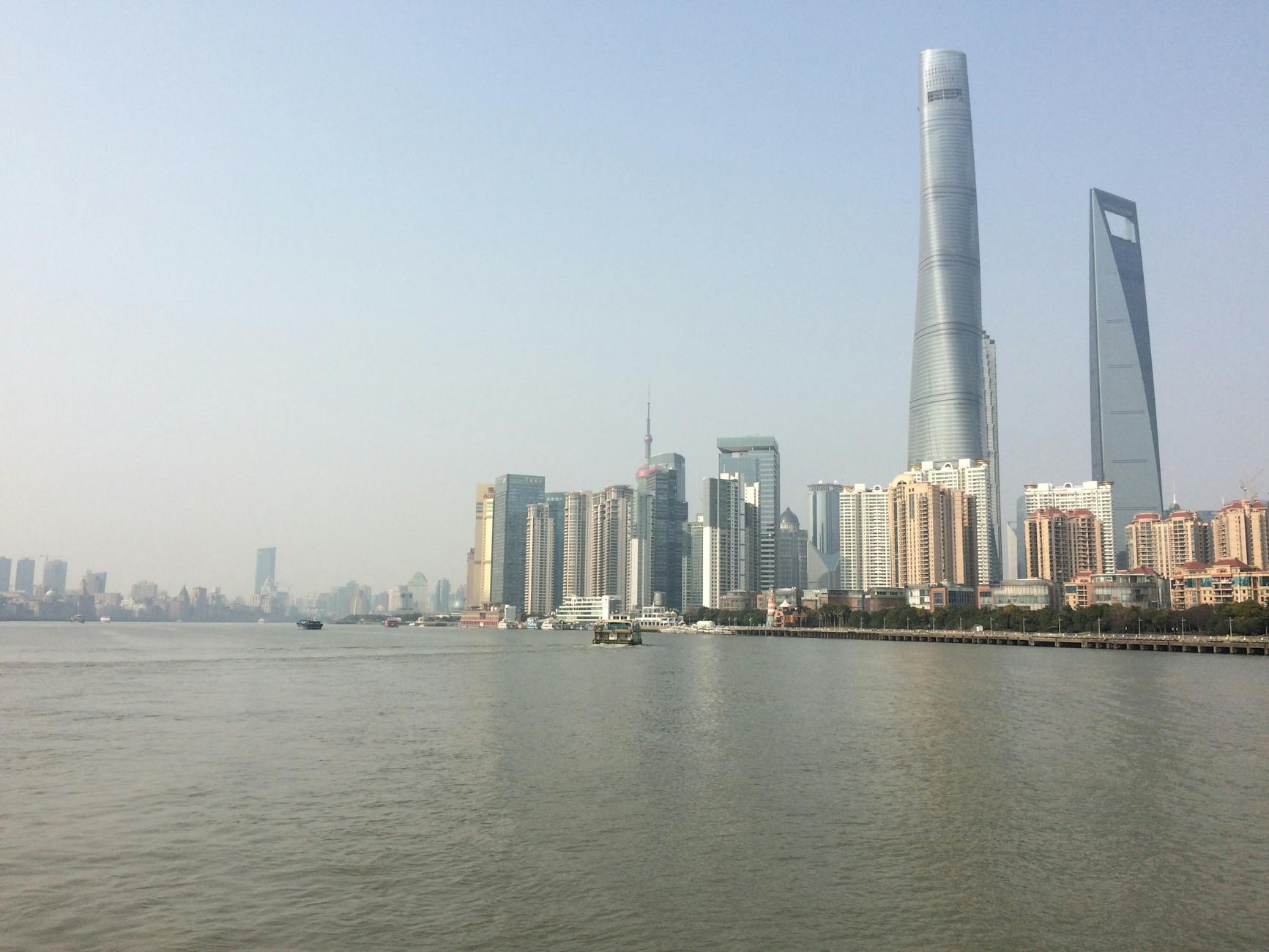
Key Facts: Shanghai's PE Market at a Glance
- Shanghai serves as China's premier financial hub for private equity, attracting domestic RMB-denominated funds and international USD-denominated funds across technology, healthcare, and consumer sectors.
- China historically ranked third globally in PE deal volume behind only the US and UK, though deal volumes have faced pressure since 2022 from geopolitical and regulatory headwinds.
- Growth equity accounts for approximately 74% of Chinese PE deal activity, while leveraged buyouts represent just 9% of transactions, reflecting the market's structural preference for minority positions.
- Shanghai Venture Capital Co. (SHVC), the city's flagship state-backed fund, manages RMB 10 billion (approximately $1.4B USD) across clean energy, biomedical, and information technology sectors.
- Greater China PE and VC fund managers collectively manage over $500 billion, with Shanghai representing a significant share of that total capital base.
- US-China geopolitical decoupling has prompted international limited partners to reduce China exposure, accelerating the shift toward domestically-focused RMB fund structures.
- Key exit routes for Shanghai-based PE portfolios include domestic A-share listings, STAR Market IPOs, Hong Kong Exchange listings, and cross-border strategic sales such as the $470 million WuXi XDC IPO in 2023.
Private Equity in Shanghai: Market Overview and Competitive Landscape
Shanghai concentrates China's private equity infrastructure in ways no other mainland city replicates. The city houses the headquarters of major domestic general partners, the Shanghai branch offices of global buyout firms, and the regulatory bodies governing fund formation under AMAC (the Asset Management Association of China). Pudong's financial district and Zhangjiang Hi-Tech Park together anchor the city's dual identity as both a capital markets center and a deep-tech investment corridor.
The distinctions between Shanghai, Beijing, Hong Kong, and Singapore are operationally significant for fund managers and LPs alike. Beijing concentrates government-connected domestic funds with direct proximity to regulatory decision-makers. Hong Kong functions as the primary cross-border capital gateway, HKEX listing venue, and conference hub for pan-Asia LPs. Singapore has emerged as a regional headquarters location for some pan-Asia managers relocating operational functions outside mainland China. Shanghai captures the intersection: domestic deal flow at scale, a sophisticated LP base, and sufficient international presence to maintain competitive fund terms.
The RMB versus USD fund dichotomy shapes nearly every investment decision in this market. RMB funds raise capital from domestic limited partners, often including government-affiliated entities, and benefit from regulatory advantages in domestic deal execution. USD funds source capital from international institutional LPs, such as sovereign wealth funds, university endowments, and family offices, and typically pursue broader pan-Asia mandates. Dual-currency structures, used by managers like Qiming Venture Partners, allow general partners to access both LP pools while managing currency and regulatory exposure separately.
Shanghai's Free Trade Zone (FTZ), particularly the Lingang Special Area, provides structural advantages for fund formation and foreign capital entry. The Qualified Foreign Limited Partner (QFLP) pilot program, active in the FTZ, allows offshore USD capital to convert and invest in onshore RMB assets. This reduces the friction that historically separated international LPs from China's domestic deal pipeline. The Shanghai Private Equity Association (SHPEA), a non-profit operating since 2004, serves as the local industry body connecting fund managers across the Yangtze River Delta corridor.
Macro headwinds have reshaped the landscape since 2022. US export controls on semiconductors, regulatory crackdowns on major technology platforms, and slowing GDP growth have compressed valuations and delayed exits. International PE activity on the mainland has contracted noticeably, while domestic RMB funds have captured a growing share of deal volume as government policy channels capital toward strategic sectors.
Firm Comparison at a Glance
The following table covers the primary PE and VC firms operating from Shanghai, ranging from state-backed vehicles to international buyout platforms. AUM data is unavailable for most firms, so the table uses deal count and exits as the primary performance indicator alongside strategy and sector strength.
| Firm | Investments / Exits | Strategy | Sector Strength | Best Known For | HQ |
|---|---|---|---|---|---|
| Shanghai Venture Capital Co. | 160+ invested / 7 IPOs | Growth & Early VC | Cleantech, Biomedical, IT | State-backed policy mandate | Shanghai |
| PAG (PAGAC + PAGGC) | — | Buyout, Structured Minority, Growth | Consumer, Tech, Healthcare | Structured minority deals in APAC | Shanghai / Hong Kong |
| BPEA EQT | — | Buyout, Growth | Pan-Asia diversified | EQT network integration | Shanghai |
| Hillhouse Investment | — | Growth, Buyout | Healthcare, Green Energy, Manufacturing | Long-hold thesis investing | China |
| Qiming Venture Partners | — | Early & Growth VC | Technology, Consumer, Healthcare | Dual USD/RMB fund structure | Shanghai |
| Loyal Valley Capital | 76 invested / 18 exits | PE (theme-driven) | Cross-sector research-based | Research-led deal sourcing | Shanghai |
| Lilly Asia Ventures | — | Life Sciences VC | Biomedical, Pharma | Eli Lilly network access | Shanghai |
| Lightspeed China Partners | — | Early Stage VC | Technology, Consumer | Global Lightspeed platform | Shanghai |
| FTZ Fund | 20 invested / 4 exits | Sector PE | Biopharma, E-commerce, Logistics | Free Trade Zone positioning | Shanghai |
| China Huarong | 5 invested / 2 exits | Distressed Debt | Financial Services, Asset Management | Non-performing loan portfolios | Shanghai |
| Grand Flight Investment | 33 invested / 3 exits | Growth (Expansion) | Automotive, Medical, Education | Expansion-stage diversification | Shanghai |
| Haitong International Securities | 14 invested / 4 exits | Asset Management / PE | Financial Services, Banking | Brokerage-anchored PE arm | Shanghai |
Across this landscape, growth equity and venture capital dominate the strategy mix. Distressed debt (China Huarong) and structured minority positions (PAG) represent the primary alternative mandates. Healthcare and technology appear as sector strengths across the greatest number of firms, reflecting Shanghai's talent base and the national policy priority these sectors receive.
Top Picks by Investment Strategy
Largest State-Backed Fund: Shanghai Venture Capital Co. manages RMB 10 billion in assets under a government mandate from the Shanghai Municipal People's Government. Its portfolio of more than 160 companies and seven documented IPO exits demonstrates consistent execution across cleantech and biomedical.
Pan-Asia Buyout and Structured Minority Leader: PAG. PAG Asia Capital specializes in large control and structured minority transactions across Asia-Pacific, a deal format uniquely suited to China's legal constraints on full buyouts. Its sister platform, PAG Growth Capital, extends the mandate into minority growth positions across healthcare, TMT, and financial services.
Growth Equity Depth with Healthcare Conviction: Hillhouse Investment Management. Hillhouse's 2025 acquisition of WuXi AppTec's China-based clinical research services business signals continued high-conviction healthcare investment despite sector regulatory complexity. Its cross-sector mandate spans green energy, advanced manufacturing, and consumer technology.
Top Life Sciences Investor: Lilly Asia Ventures. The only Shanghai-based fund with a single-sector life sciences mandate, Lilly Asia Ventures leverages Eli Lilly's global clinical and commercial network to offer portfolio companies capabilities beyond capital alone.
Most Active Early-Stage VC: Qiming Venture Partners. Operating since 2006 with both USD and RMB fund structures, Qiming's three-sector mandate across technology, consumer, and healthcare mirrors the dominant deal flow patterns in Shanghai's Yangtze Delta corridor.
Distressed and Special Situations: China Huarong. The dominant distressed debt platform operating from Shanghai, China Huarong manages non-performing loan portfolios and distressed corporate assets with no comparable domestic competitor at scale.
Strongest Research-Driven Track Record: Loyal Valley Capital. With 76 investments and 18 exits, Loyal Valley Capital's theme-and-research methodology produces an exit ratio that outperforms many larger Shanghai-based peers.
Best Cross-Border Mandate: BPEA EQT. Formerly Baring Private Equity Asia, BPEA EQT operates from its Shanghai base at Jing An Kerry Center with the full backing of EQT Group's global LP network. It is the most institutionally integrated pan-Asia buyout platform in the city.
Top Shanghai PE and VC Firms in Detail
Shanghai Venture Capital Co. (SHVC)
The benchmark for government-backed PE in China, Shanghai Venture Capital Co. operates with a direct mandate from the Shanghai Municipal People's Government and manages RMB 10 billion (approximately $1.4 billion USD) in assets. Its shareholder base includes the National Development and Reform Commission, the State-owned Assets Supervision and Administration Commission, and the Chinese Academy of Sciences. These relationships provide policy access that no privately-owned fund can replicate. SHVC deploys capital at early and growth stage across clean energy, energy-efficient technologies, biomedical, new materials, and information technologies. As of its last major public disclosure, the firm had invested in over 160 portfolio companies and achieved seven IPOs. Strategic partnerships with Temasek Holdings, Fudan University, and Shanghai Jiao Tong University Industry Group extend its network well beyond a typical state vehicle. Founders in government-priority sectors find that alignment with SHVC carries regulatory credibility that private capital alone cannot provide.
PAG (PAG Asia Capital and PAG Growth Capital)
PAG holds a structurally unique position in the Shanghai PE ecosystem by operating two distinct mandates under a single platform. PAG Asia Capital, founded in 2011, targets large buyout and structured minority transactions across Asia-Pacific with a team of more than 60 investment and operational professionals. Structured minority positions, where PAG holds a significant but non-controlling stake with negotiated protections, represent a differentiated approach in a market where Chinese Company Law makes full control buyouts difficult to execute. PAG Growth Capital, launched in 2017, focuses on significant minority positions in healthcare, telecoms, media, technology, financial services, and education. Its co-headquartered presence across Shanghai and Hong Kong gives the firm direct access to mainland deal flow while maintaining proximity to cross-border capital markets and HKEX listing processes. The combination of buyout discipline and growth equity agility across one LP relationship makes PAG the most versatile investment platform based in Shanghai.
BPEA EQT (Formerly Baring Private Equity Asia)
The 2022 integration of Baring Private Equity Asia into EQT Group transformed what was already Asia's largest independent PE firm into a fully globalized platform. BPEA EQT now operates from its primary Shanghai address at Tower 3, Jing An Kerry Center, executing buyout and growth mandates across Asia-Pacific with significant China exposure. The firm brings EQT's operational improvement methodology to a market where portfolio intervention has historically been limited. International limited partners seeking Asia-Pacific exposure gain access to both mainland deal origination and EQT's global network of operating advisors. Governance standards and institutional infrastructure distinguish BPEA EQT clearly from purely domestic Chinese general partners. For foreign institutional capital allocating to China through a regulated, internationally recognized vehicle, it is the preferred entry point.
Hillhouse Investment Management
Among China's most influential investment platforms, Hillhouse pursues a long-hold, thesis-driven approach that sets it apart from volume-oriented domestic managers. Its sector conviction spans healthcare, advanced manufacturing, green energy, hard technology, and consumer technology, reflecting deliberate alignment with China's industrial policy priorities for the coming decade. In 2025, Hillhouse acquired WuXi AppTec's China-based clinical research services business, demonstrating conviction in the healthcare supply chain even as regulatory scrutiny intensified. The firm operates across growth equity and control buyout structures, using leverage selectively in a market where fewer than 10% of deals involve significant debt financing. Institutional LPs with five-to-ten-year time horizons will find Hillhouse's sector depth and deal-structuring flexibility offer a differentiated China allocation.
Qiming Venture Partners
Among Shanghai's most prolific VC investors, Qiming Venture Partners has operated since 2006 with a three-sector mandate across technology, consumer, and healthcare. Its dual fund structure, managing both USD and RMB vehicles, gives the firm access to a wider LP base than single-currency peers. Qiming participates primarily at Series B and C rounds, where valuations are defined but companies still require active operational support. The STAR Market, launched in 2019, has provided its healthcare and technology portfolio companies with a viable domestic exit pathway, reducing dependence on US exchange listings. Consistent deal sourcing in the Yangtze Delta corridor gives Qiming access to one of China's densest concentrations of technology and life sciences founding teams.
Lilly Asia Ventures
Lilly Asia Ventures is Shanghai's only major fund with an exclusively life sciences mandate, giving it sector depth that generalist investment platforms cannot match. Backed by Eli Lilly's global clinical and commercial network since its 2008 founding, the firm provides portfolio companies with diligence capabilities, regulatory expertise, and partnership pathways that extend well beyond the capital it deploys. Biomedical founders raising Series B or later rounds gain access to Eli Lilly's relationships with regulatory bodies across Asia-Pacific and the US. This network effect matters most for companies targeting both domestic A-share listings and international commercialization, where clinical credibility is as important as financial metrics. Investors seeking concentrated exposure to Asia's life sciences growth cycle will find few funds with this level of single-sector institutional backing.
Loyal Valley Capital
Loyal Valley Capital's defining characteristic is its research-first methodology, which sets it apart from the relationship-driven deal sourcing that dominates most domestic Shanghai PE managers. Rather than originating deals through government contacts or banking networks, the firm identifies structural sector shifts through proprietary thematic research before initiating outreach to target companies. Its track record reflects this discipline: 76 investments and 18 realized exits produce an exit ratio that compares favorably with peers managing significantly larger capital bases. Entering sectors before institutional capital concentrates preserves return potential for limited partners. The methodology offers a genuinely alternative approach to deal origination in a market where information advantages are hard to sustain.
FTZ Fund
Positioned within Shanghai's Free Trade Zone, FTZ Fund enjoys structural regulatory advantages that funds operating outside the FTZ cannot access. The Qualified Foreign Limited Partner program enables offshore USD capital to convert and invest in onshore RMB assets through a regulated channel, making FTZ Fund one of the few Shanghai vehicles capable of bridging foreign LP capital and domestic deal flow under AMAC-compliant terms. Its sector focus spans biopharmaceuticals, cross-border e-commerce, and logistics, all of which benefit directly from the FTZ's customs, tax, and regulatory relief provisions. With 20 investments and 4 exits recorded, the firm has built a coherent portfolio aligned with China's outbound trade and life sciences priorities. Foreign limited partners seeking onshore exposure with structural protection and regulatory clarity should evaluate FTZ Fund as a primary candidate.
Lightspeed China Partners
Lightspeed China Partners brings an early-stage technology mandate to Shanghai backed by the global Lightspeed Venture Partners network. Operating independently since 2006, the firm deploys USD-denominated capital at the stage where most domestic RMB funds have not yet engaged, and where founders are still making strategic decisions about company structure and investor composition. Access to Lightspeed's global portfolio provides Chinese founders with benchmarking data, commercial partnership opportunities, and cross-border hiring networks. Technology founders evaluating USD versus RMB fund structures at the early stage will find Lightspeed China Partners facilitates future offshore fundraising rounds and US exchange listing pathways.
China Huarong
China Huarong occupies a singular position in Shanghai's PE ecosystem as the city's dominant distressed debt and special situations platform, with no comparable domestic competitor at scale. Its mandate focuses on acquiring and managing non-performing loan portfolios and distressed corporate assets, a strategy that becomes more relevant as China's credit cycle moves through periods of stress. While its PE-context track record shows 5 investments and 2 exits, the firm's broader asset management operations across distressed debt classes dwarf these numbers in aggregate. State-backed ownership gives it regulatory access and balance sheet capacity to absorb assets that private sector funds cannot hold. LPs focused on China's credit dislocations and corporate restructuring cycle, rather than growth-oriented equity returns, will find China Huarong the most direct expression of that thesis available from a Shanghai-headquartered vehicle.
Investment Trends and Capital Flows
Tech and Semiconductor: The Strategic Imperative
US export controls on advanced chip technology have converted semiconductor investment from a financial thesis into a national policy directive. Significant capital from government guidance funds and state-aligned general partners is now concentrated in this sector. Shanghai-based fund managers with established government relationships capture the bulk of this deal flow, as regulatory approvals, land allocations, and state subsidies follow the policy channel rather than market pricing signals. Uncommitted capital held by domestic RMB funds is increasingly earmarked for semiconductor supply chain and advanced manufacturing targets, as government limited partners explicitly condition deployment on strategic sector alignment.
Healthcare and Biomedical: Demographics Meet the STAR Market
China's aging population is driving measurable demand growth in healthcare services, pharmaceuticals, and medical devices, translating directly into deal activity for Shanghai-based PE and VC funds. The STAR Market, launched in 2019, has provided a viable domestic IPO exit pathway for healthcare portfolio companies previously dependent on US or Hong Kong listings. Zhangjiang Hi-Tech Park, located in Pudong, anchors Shanghai's life sciences deal origination cluster, concentrating biomedical founding teams and research institutions within a geography that facilitates both deal sourcing and portfolio company co-location.
Cleantech and the Energy Transition
State-backed fund managers, led by Shanghai Venture Capital Co., are directing capital into clean energy, energy-efficient technologies, and new materials as government policy aligns financial incentives with industrial transition targets. Electric vehicle supply chain investments, advanced manufacturing processes, and new materials companies are converging into a single thematic cluster for Shanghai-based funds with both policy mandate and sector expertise. While formal ESG frameworks are less prevalent in China than in Western markets, thematic cleantech investing is operationally active and growing in deal volume as both domestic and international general partners recognize the structural tailwind behind China's energy transition policy.
The RMB-USD Divide: Domestic Capital Takes Share
International PE activity on the Chinese mainland has contracted as elevated geopolitical risk premiums push foreign limited partners toward reducing China allocation targets. Domestic RMB funds benefit from structural advantages in regulatory access, government relationship networks, and deal execution speed that their USD-denominated counterparts increasingly struggle to match without a well-established local team. Foreign-funded general partners are responding by launching parallel RMB vehicles, allowing them to maintain onshore deal access while continuing to serve international LPs through separate offshore fund structures.
How to Evaluate PE Investors in This Market
Government relationships represent the single most important non-financial factor in evaluating a PE firm operating from Shanghai. Domestic deal execution, land leasing agreements, regulatory approvals, and exit timing all depend on the quality of the fund's connections across the Chinese Communist Party at the municipal and national level. A firm's government relationship quality is best assessed through reference conversations with its portfolio company founders and co-investors, not through the firm's own marketing materials.
Fund currency structure determines more than just LP base composition. RMB funds access onshore deals more easily but carry higher policy risk, including the possibility of government-directed investment mandates that may conflict with return optimization. USD funds offer stronger governance standards and more familiar limited partnership agreement terms, but generate less deal flow in sectors where government approval is required for completion. The right evaluation framework asks which fund type fits your risk tolerance, rather than treating one as universally superior.
On-site due diligence is non-negotiable in this market. Document verification alone is unreliable because multiple versions of financial records are a documented feature of Chinese corporate governance, particularly at smaller and mid-market companies. Experienced Shanghai PE investors routinely visit portfolio companies, speak with management teams before reviewing financial statements, and independently verify operational claims.
Track record assessment should prioritize realized returns over paper valuations. Distributions to paid-in capital (DPI) is more informative than total value to paid-in (TVPI) in a market where exit timing is frequently delayed by IPO queue backlogs or adverse conditions. Red flags include carry structures where founding partners retain all performance fees without junior team allocation, and front-office teams composed entirely of foreign-trained professionals without mainland China networks.
Which Firm Fits Your Needs?
Founders in healthcare, biomedical, or cleantech sectors building government-priority businesses should prioritize engagement with Shanghai Venture Capital Co. and Hillhouse Investment Management. SHVC's state mandate provides regulatory credibility that accelerates government approval processes. Hillhouse's WuXi healthcare acquisition demonstrates the willingness to deploy capital at significant scale in complex sector environments. Both are equipped to support portfolio companies navigating the intersection of commercial growth and policy compliance.
Technology founders seeking early-stage USD-denominated capital should evaluate Qiming Venture Partners and Lightspeed China Partners, both of which operate dual or international fund structures and bring cross-border network access alongside China-specific deal expertise. Life sciences founders building drug development or medical device businesses will find Lilly Asia Ventures offers a categorically different value proposition from generalist VCs. The Eli Lilly clinical and commercial network de-risks regulatory navigation in key markets in ways that financial capital alone cannot.
International limited partners allocating to Shanghai PE face a structural choice between domestic RMB fund exposure and international USD vehicle exposure. BPEA EQT offers the most institutionally familiar governance framework among Shanghai-based general partners, while FTZ Fund provides a QFLP-compliant onshore structure for those seeking direct RMB deal access. LPs focused on China's credit cycle rather than equity growth should evaluate China Huarong as the primary distressed debt vehicle operating from the city.
Methodology
This guide to private equity in Shanghai was compiled using publicly available firm information, regional industry association data from SHPEA, and deal databases tracking PE and VC activity across Greater China. Firm selection prioritized funds with documented Shanghai headquarters or primary operational presence, active investment mandates as of 2025, and verifiable track records including deal counts, exits, or disclosed assets under management. AUM figures are cited only where publicly available. The market statistics on deal type distribution (74% growth equity, 9% leveraged buyout) reference Bain's China PE market research. Shanghai PE firms without publicly available AUM are profiled based on strategy, sector focus, and documented portfolio activity rather than estimated figures.
Frequently Asked Questions
Written by
Jodie White
Private Markets Researcher
Jodie White researches private equity and venture capital firms across sectors, tracking investment focus, platform activity, and market positioning for ZoomInvestors.
Related Topics
Explore More
Read more articles on our blog