Arab Venture Capital: Top VC Firms & Stages
Part of Venture Capital
Key Facts
- A Middle East directory lists 123 firm profiles for Arab venture capital, and a ranking of UAE investors covers 9 firms based mostly in Dubai.
- Typical check size runs from $250K to $1M at pre-seed and $25M to $200M at Series B and C. Sovereign-led strategic rounds can reach $1B or more.
- Sanabil Investments, a subsidiary of the Public Investment Fund (PIF), commits more than $2B a year to venture and growth. STV has deployed more than $500M across MENA growth-stage companies in 2024 and 2025.
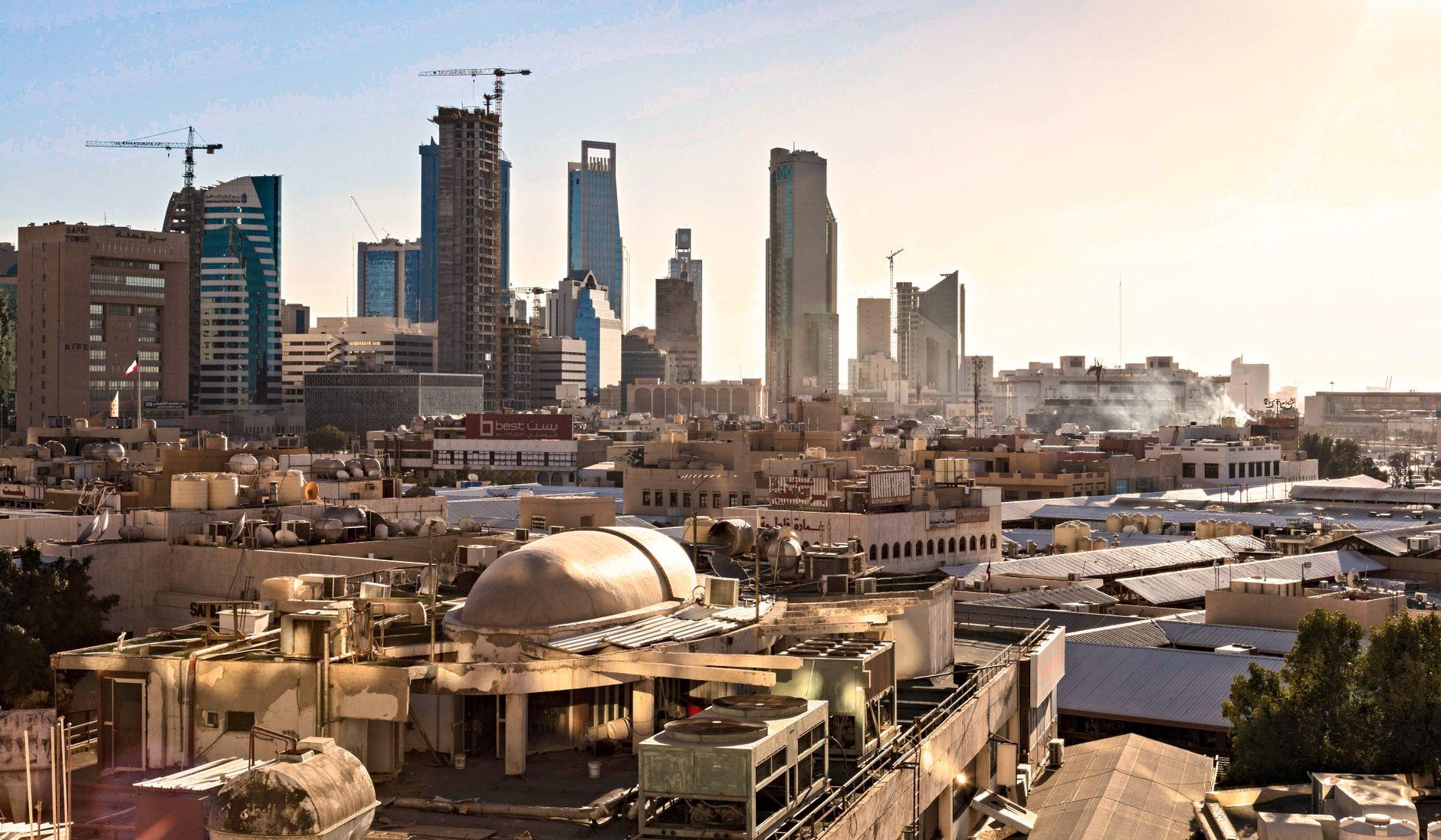
- Dubai, Abu Dhabi and Riyadh are the key hubs, and Dubai hosts most firms in the UAE ranking.
- The Saudi Venture Capital Company (SVC) has invested in 65 private capital funds that backed more than 1,000 startups and small businesses.
- Advisers describe Saudi Arabia as the fastest-deploying venture ecosystem in the world. That claim rests on Vision 2030 spending and PIF capital since 2024.
Market Overview for the UAE and Saudi Arabia
Arab venture capital in this guide covers VC firms, corporate venture arms, sovereign-backed funds and fund-of-funds that invest in startups in the UAE and Saudi Arabia. Coverage of Egypt, Jordan, Qatar, the Levant and North Africa is partial because most active institutional capital sits in the Gulf. Amman (home to AB Ventures) and the Egypt operations of MEVP and HALA Ventures are the main exceptions.
Capital sources differ sharply by city. Dubai hosts most of the firms in the UAE ranking, including Wamda Capital, BECO Capital and Middle East Venture Partners. Abu Dhabi is anchored by sovereign investors such as the Abu Dhabi Investment Authority (ADIA), Mubadala and ADQ, plus VentureSouq, which operates under the ADGM financial regulator.
Riyadh is the center of PIF-aligned capital and home to STV, HALA Ventures and SVC. Saudi money comes with conditions that founders should understand early. Vision 2030 priorities, namely fintech, gaming, logistics and energy transition, raise capital faster, and many deals ask for a Riyadh headquarters or Saudi-resident hires.
International multi-stage funds such as Sequoia, a16z, Lightspeed and Accel write follow-on checks in Saudi rounds. Bain Capital led Tabby's $160M Series E in 2024.
Firm Comparison at a Glance
The table below sets out stage, check size and sector focus for the most active venture investors in the region. Several Saudi funds list two check size bands, one for each stage they cover.
| Firm | Stage | Check Size | Sector Focus | Notable Portfolio | HQ |
|---|---|---|---|---|---|
| Khwarizmi Ventures | Pre-seed, Seed | $1M–$3M, $10M–$50M | AI and deep tech | Saudi Arabia | |
| Nama Ventures | Pre-seed, Seed | $100K–$500K, $500K–$1M | Mobility, pharma, pan-MENA | Saudi Arabia | |
| Raed Ventures | Seed, Series A | $3M–$10M, $10M–$50M | Consumer, fintech, real estate tech | Saudi Arabia | |
| Impact46 | Seed, Series A | $1M–$3M, $3M–$10M | AI and deep tech | Saudi Arabia | |
| SVC | Pre-seed, Seed | $1M–$3M, $3M–$10M | Fund-of-funds | Riyadh | |
| Wa'ed Ventures | Seed, Series A | $1M–$3M, $3M–$10M | Multi-sector | Saudi Arabia | |
| BECO Capital | Seed to Series B | Early-stage technology | Dubai | ||
| HALA Ventures | Early, growth | Fintech, e-commerce, logistics | Torod, Bondai, Buseet | Riyadh | |
| MEVP | Early, growth, Series B | E-commerce, mobility, SaaS | Invygo, Stake, Fresha | Dubai | |
| Shorooq Partners | Idea stage onward | Fintech, software | Abu Dhabi | ||
| STV | Series A to growth | $5M–$25M (A), $25M–$200M (growth) | Fintech, logistics, gaming | Tabby, Tamara, Mrsool | Riyadh |
| Sanabil Investments | Series B to growth | $25M–$200M | Venture funds, direct deals | Saudi Arabia | |
| NewTribe Capital | People, innovation and technology | Dubai |
The pattern is a clear stage ladder, with Saudi seed funds clustered at $1M to $10M and sovereign capital taking over beyond $25M. Among early-stage investors, the Saudi funds offer the widest spread of check bands. Founders raising seed funding will find the densest competition among the Saudi funds at the top of the table.
Top Picks by Stage and Focus
- Most Active Seed Investor: Raed Ventures has made 74 investments across consumer, fintech and real estate tech at seed and Series A. Its $3M to $10M band suits teams that already have revenue and want a lead who can fill most of a round.
- Pre-Seed Leader: Nama Ventures writes $100K to $1M checks and has 46 investments, mostly pan-MENA. It is the realistic first call for founders with a prototype and no revenue.
- Series A and Growth Leader: STV backed Tabby, Tamara, Mrsool and Calo, and led Calo's $25M-plus Series B. Its $5M to $25M Series A checks make it a stronger fit than seed specialists for teams with proven revenue traction.
- Top Fintech Investor: Shorooq Partners focuses on fintech, platform software and tech-enabled services from idea stage onward. Unlike VentureSouq, which concentrates on regulated early-stage fintech, Shorooq also takes operational roles in recruiting and market expansion.
- Top Digital Assets Investor: Morningstar Ventures has invested in early-stage tokens and equity rounds since 2020. Blockchain founders in Dubai will find it more specialized than any generalist fund here.
- Energy Transition Pick: Saudi Aramco Energy Ventures has 79 investments in energy, decarbonization and industrial technology from Series A to growth. Industrial founders gain access to a corporate parent that can act as a customer.
- Exit Track Record: Middle East Venture Partners reported a partial exit from Fresha with a 39x cash-on-cash return. Few regional firms have a documented secondary sale, which matters to founders weighing how a lead handles liquidity.
- Fund-of-Funds Access: SVC has invested in 65 funds covering venture capital, private equity, venture debt and private debt. Limited partners (LPs) and fund managers should look here before approaching individual startups.
Top Firms in Detail
STV (Saudi Technology Ventures)
STV is the Saudi growth platform that has most visibly shaped the Kingdom's largest rounds. It holds more than $500M in assets and a portfolio that includes Tabby, Tamara and Mrsool. Advisers cite more than 100 investments, although one listing shows 53, so the exact count depends on how you count seed activity.
The firm's edge is the span between Series A checks of $5M to $25M and growth checks up to $200M. That span lets it follow its own winners across rounds.
Its lead on Calo's $25M-plus Series B shows the pattern in practice. The food-tech company moved from early traction to a regional scale-up with the same backer. Fintech, logistics, e-commerce and gaming founders fit its mandate best.
Sanabil Investments
Sanabil is the sovereign heavyweight on this list, committing more than $2B a year through venture funds and direct deals as a PIF subsidiary. Its checks run from $25M to $200M, and strategic mandates can go far higher. That scale puts it in a different category from the seed funds.
Sanabil works partly as a fund-of-funds, so its influence reaches founders indirectly through the venture funds it backs. For growth-stage companies in Vision 2030 sectors, a Sanabil commitment can anchor a round and signal government alignment to other investors. Early-stage teams should treat it as a source of capital for the funds they pitch, not as a first-check lead.
Middle East Venture Partners (MEVP)
MEVP has the clearest exit record among independent firms here. It reported a partial secondary sale of Fresha in the $100M Series C led by General Atlantic, at a 39x cash-on-cash return. The firm manages $260M across four funds and launched the $150M Middle East Venture Fund IV.
Its portfolio companies span Invygo, Stake, Money Fellows, Nana and The Luxury Closet, covering mobility, proptech, fintech and e-commerce. Stake's $8M raise and Invygo's move into mobility fintech show a willingness to back UAE and Saudi consumer businesses early. Founders quoted on the firm's site, including Anghami's Elie Habib, stress speed and network access.
HALA Ventures
Post-revenue, capital-efficient startups are the focus of HALA in Riyadh. The firm says it has made more than 30 investments worth $55M, against a portfolio valued above $1B. Forbes named it among the top VCs in MENA in 2024, and it operates across the GCC, Egypt and Jordan.
Its criteria are stricter than most seed funds, since it wants full-time founders and strong month-on-month growth. Torod, a post-order shipping service, and Bondai, a travel experience marketplace, show the range from logistics to tourism. Founders with an early sales record and a plan for capital efficiency match its profile.
Raed Ventures
Raed backs the consumer and fintech companies at the center of Gulf spending, with 74 investments at seed and Series A. Its larger bands of $3M to $10M and $10M to $50M make it one of the better-capitalized early-stage firms in the Kingdom.
That check size changes the dynamics of a first institutional round, because a single lead can supply most of the capital and set the valuation. Real estate technology is a distinctive part of its investment thesis, alongside consumer and fintech. Teams with traction in both Saudi Arabia and the UAE are the clearest match.
Wa'ed Ventures
As the Aramco-backed generalist, Wa'ed has made 79 investments across sectors at seed and Series A. Its $1M to $3M and $3M to $10M bands overlap with Impact46 and SVC, so competition for the same founders is direct.
The Aramco link gives portfolio companies a credible route to large Saudi enterprise customers, which smaller independent funds cannot always offer. Wa'ed suits founders whose product sells into energy, industrial or government buyers. It is a separate entity from Saudi Aramco Energy Ventures, which invests from Series A through growth.
Nama Ventures
Nama specializes in pre-seed, with 46 investments and checks from $100K to $1M across pan-MENA transportation, mobility and pharma. That makes it one of the few Saudi-based funds that writes the first institutional check before revenue exists.
Its smaller bands suit founders who need capital to reach a first commercial pilot rather than a scaled round. Those who graduate to Series A usually move to STV or Wa'ed, which sit one stage later. Founders without a regional network can use Nama as a practical starting point.
BECO Capital
BECO covers the widest stage range among the independents, from seed through Series B, out of Dubai. It describes its founders as former entrepreneurs who know the path from first idea to a funded company.
Public figures on fund size and check size are limited, so stage and focus are the reliable facts. Its Dubai base and technology focus suit founders building regional products who want a partner through several rounds. Seed to Series B coverage also reduces the risk of losing a lead when the company needs a larger round.
Shorooq Partners
Shorooq invests from idea stage in fintech, platform software and tech-enabled business services. Investment professionals with careers across the UAE, Europe, New York and Silicon Valley founded the Abu Dhabi firm in 2016.
What sets it apart is operational involvement, including recruiting, market expansion, strategy, financing discussions and budgeting. Founders who want a hands-on partner will value that more than a hands-off check. Shorooq has not published fund size or check size, so ask directly about follow-on reserves.
Further Ventures
Further Ventures builds companies rather than only funding them. This Abu Dhabi venture studio launched in 2022 with a $200M fund anchored by the ADQ sovereign wealth fund. It works with founders at idea stage to validate, prototype and launch new companies, acting as a co-founder.
The firm takes common stock, provides seed capital and handles regulators, which differs from a conventional investor that joins an existing company. Its focus is fintech, digital assets and logistics. People with a thesis but no company, or operators who want a launch platform, are the audience.
Saudi Venture Capital Company (SVC)
SVC shapes the Saudi ecosystem from above as a fund-of-funds. It has invested in 65 private capital funds that in turn backed more than 1,000 startups and small businesses. Its portfolio covers venture capital, private equity, venture debt and private debt.
Direct checks of $1M to $3M and $3M to $10M at pre-seed and seed are listed alongside that mandate. For fund managers and LPs, SVC signals which managers have institutional backing. Founders benefit indirectly, since many of the funds above draw on SVC capital.
Investment Trends and Capital Flows
Fintech and Buy Now Pay Later
Tabby raised a $160M Series E at a $3.3B valuation in October 2024, led by Bain Capital. Observers describe it as the largest MENA fintech round ever. Tamara followed with a $340M Series C at a valuation above $1B.
Both BNPL companies share STV as an investor, which shows how one early backer can follow a category from first check to mega-rounds. Regulators such as SAMA, the Saudi Central Bank, and the FSRA in Abu Dhabi have also supported the sector. Founders in payments and credit should expect investors to benchmark them against these two companies on growth and unit economics.
Gaming, Logistics and E-commerce
PIF's Savvy Games Group has a $38B mandate and acquired Scopely for $4.9B, which shows government capital building an entire industry. In logistics and commerce, Foodics raised a $170M Series C for restaurant software, and STV led Calo's Series B of more than $25M.
These rounds follow the Vision 2030 priority list, so founders in adjacent sectors can use the same thesis in their pitch. Investors in these areas favor companies that can show regional scale before looking abroad.
Energy Transition and Industrial Tech
Saudi Aramco Energy Ventures has 79 investments in energy, decarbonization and industrial technology, while KAUST's innovation fund supports hydrogen and industrial AI. MEVP also runs an IMPACT Fund that reflects the same direction.
For founders, a corporate VC such as Saudi Aramco Energy Ventures offers customer access in addition to funding. The trade-off is that corporate investors may prefer strategic fit over the fastest exit.
AI, Deep Tech and Digital Assets
Khwarizmi Ventures and Impact46 both list AI and deep tech as a focus, with 47 and 55 investments respectively. In digital assets, Morningstar Ventures and Woodstock Fund, both Dubai-based, concentrate on blockchain and distributed ledger startups.
These funds write smaller early checks than the growth platforms, so valuation expectations differ from the mega-round segment. Founders in these categories should look for specialists, since generalist funds often lack the technical depth to price token or infrastructure risk.
Vision 2030 Capital and Exits
Advisers claim that PIF-aligned limited partners fund Vision 2030 sectors faster, and that generalist leads have underpriced Saudi startups by more than 25%. Both figures are the advisers' own and unverified, but they match the localization pressure seen in many Saudi deals.
Exit evidence is thin. MEVP's Fresha sale, a partial exit through secondaries, is the clearest documented outcome, and no IPO figures are public. Founders should therefore ask any prospective lead how it has returned capital to its own investors.
How to Choose the Right VC Investor
Start with fit on stage, check size and sub-niche, and build a list of 15 to 25 funds that match all three. VC investors that no longer write checks waste your outreach, so confirm recent activity before approaching them.
Next, test the sector and location fit. Capital aligned with Vision 2030 favors fintech, gaming, logistics and energy transition, and Saudi investors often expect a Riyadh headquarters or substantial local presence. Revenue thresholds also vary, with Global Ventures looking for at least $1M in annual revenue and HALA wanting post-revenue companies with strong monthly growth.
Then speak to portfolio founders about speed, board involvement and behavior when a round gets difficult. Ask how the partner who will take the board seat has handled a down round, and whether the fund holds reserves for follow-on funding. Compare any term sheet, the non-binding offer that sets the terms of an investment, with regional valuation benchmarks rather than accepting it at face value.
Warm introductions work better than cold outreach, and advisers report reply rates above 30% against 1% to 3%, though these figures are unverified. First-time founders without a regional network can begin at Misk Foundation, KAUST's innovation fund or Hub71 in Abu Dhabi.
LPs and advisers have a different route. SVC and Sanabil act as fund-of-funds allocators, so their fund commitments reveal which managers have institutional backing. A fund of funds such as SVC backs managers rather than individual startups.
Which VC Firm Fits Your Startup?
Founders raising a first round below $1M should start with Nama Ventures and Khwarizmi Ventures, both of which write pre-seed checks. They can add KAUST's innovation fund for deep tech. Those with revenue and a seed round of $3M or more will find Raed Ventures, Impact46 and Wa'ed Ventures better matched, since their bands reach $10M.
Teams heading into a Series A of $5M to $25M should approach STV and Wa'ed, with BECO Capital as a regional alternative that follows companies from seed to Series B. Growth-stage companies seeking $25M or more are the audience for Sanabil Investments, STV's growth practice and Global Ventures. Global Ventures invests at growth stage and looks for revenue above $1M.
Sector specialists have their own routes. Morningstar Ventures and Woodstock Fund suit digital assets, Saudi Aramco Energy Ventures suits energy, and VentureSouq suits regulated fintech. Oryx Fund in Abu Dhabi suits early-stage fintech, healthtech and edtech founders.
LPs and advisers can reach the market through SVC and Sanabil. MEVP and Further Ventures offer exposure to an established track record and an early venture-building model.
Methodology
This guide to Arab venture capital draws on a UAE investor ranking, a Middle East firm directory, adviser research on Saudi funds and firm websites. Firms qualified for activity in the UAE or Saudi Arabia, a venture stage focus and published information on stage, check size or portfolio companies.
Fields without public figures, including fund size and check size for many firms, were left blank rather than estimated. Some figures come from adviser research and were not independently verified. The wider Arab world beyond the Gulf is only partly covered.
Frequently Asked Questions
 Google AI Mode
Tells Google to show you more from ZoomInvestors in AI, Search and Discover.
Tells Google to show you more from ZoomInvestors in AI, Search and Discover.
Written by
Jodie White
Private Markets Researcher
Jodie White researches private equity and venture capital firms across sectors, tracking investment focus, platform activity, and market positioning for ZoomInvestors.
Related Topics
Explore More
Read more articles on our blog